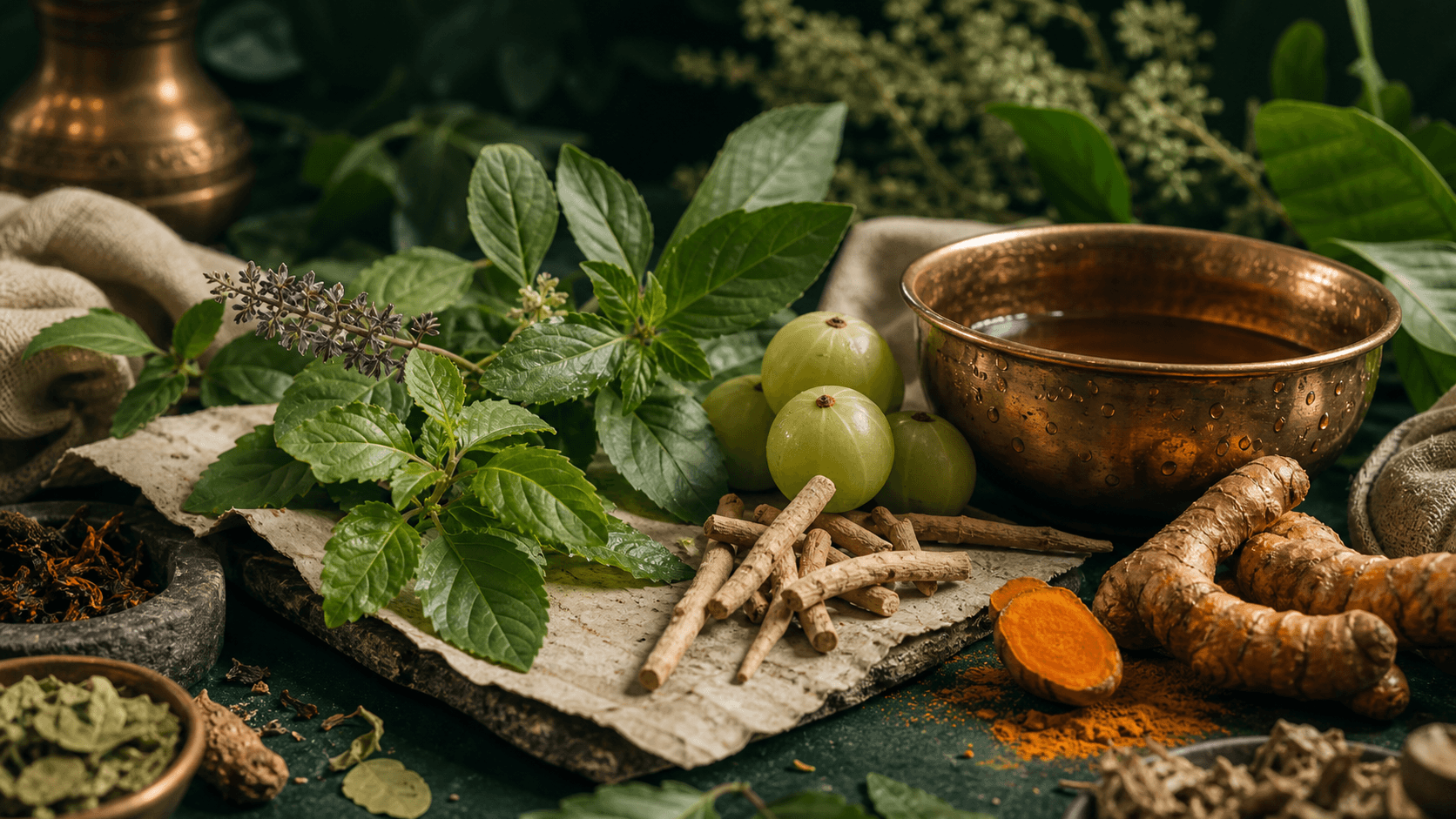
Ayurvedic herbs are often discussed for their traditional qualities, but one of the most practical wellness skills is much simpler: storing them well. In humid weather, powders, dried leaves, teas, and spice blends can absorb moisture quickly. That may change aroma, texture, and freshness, and it can also make a kitchen cabinet less reliable as a place for long-term storage. A responsible Ayurveda awareness practice should include this everyday quality habit before any discussion of stronger use.
Start by separating culinary use from supplement use. A pinch of a familiar spice in food is not the same as a concentrated capsule, extract, resin, bhasma, or product that claims medical results. Kitchen herbs should still be clean, fresh, and correctly stored, but concentrated products need extra caution: check the label, manufacturer, batch details, expiry date, third-party testing where available, and warnings about pregnancy, children, medications, or chronic conditions.
For humid seasons, choose small quantities over large jars. Buy only what you can use within a reasonable time. Keep dried herbs in airtight containers, away from steam, direct sunlight, wet spoons, and the heat of the stove. If a powder clumps, smells stale, changes color, shows visible growth, or becomes damp, do not try to rescue it for wellness use. Discarding questionable material is safer than using it because it was expensive.
Good storage also protects the meaning of an Ayurvedic routine. Traditional systems place importance on freshness, suitability, and context. In modern homes, that translates into clean containers, dry hands, clear labels, and realistic shelf life. Write the purchase date on the jar. Avoid mixing old and new batches. Do not transfer herbs into decorative containers unless they seal well and can be cleaned properly. Keep products out of reach of children.
Be careful with online products. The National Center for Complementary and Integrative Health notes safety concerns with some Ayurvedic preparations, including possible heavy metals in certain products. The FDA also explains that dietary supplements are regulated differently from medicines. This is why bold claims, hidden ingredients, vague labels, or promises to resolve disease should be treated as warning signs.
This guide is not a treatment plan. It is a practical home-quality checklist for people who enjoy Ayurveda-inspired cooking, herbal tea, or traditional learning. If you have symptoms, take medication, are pregnant or nursing, or are considering concentrated herbal products, speak with a qualified health professional. Responsible Ayurveda begins with clear boundaries: clean sourcing, careful storage, modest use, and no medical-result promises.
Humidity-safe herb checklist
- Buy smaller amounts during humid months.
- Use airtight, dry, clearly labeled containers.
- Keep herbs away from steam, sink areas, sunlight, and stove heat.
- Never use wet spoons in herb jars.
- Discard herbs that are damp, moldy, stale-smelling, or visibly changed.
- Treat supplements and concentrated preparations as higher-risk than food spices.